Grandparents, Teenagers, and a Private Lagoon: The New American Family Vacation Has Changed

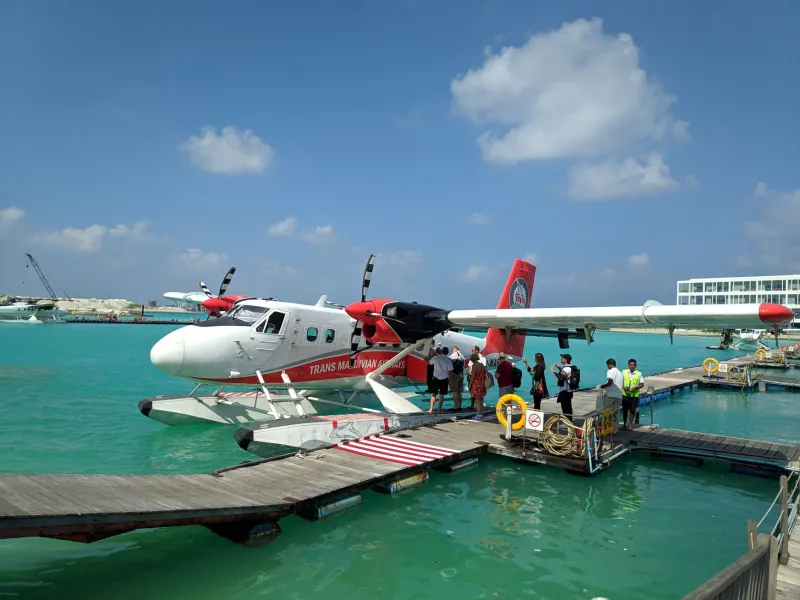
Photo: Corey Coyle, CC BY 3.0, via Wikimedia Commons
For decades, the American family vacation followed a familiar script: load the minivan, brave the airport, and endure a theme park or cruise ship alongside several thousand other families doing the same. The trip was tolerated, not treasured. Everyone needed a vacation from the vacation.
That script is being rewritten. Travel advisors across the United States report a marked shift toward multi-generational trips at remote, high-end resorts — and the Maldives, once considered a honeymoon-only destination, has emerged as an unlikely frontrunner.
Why 'Remote' Beats 'Kid-Friendly'
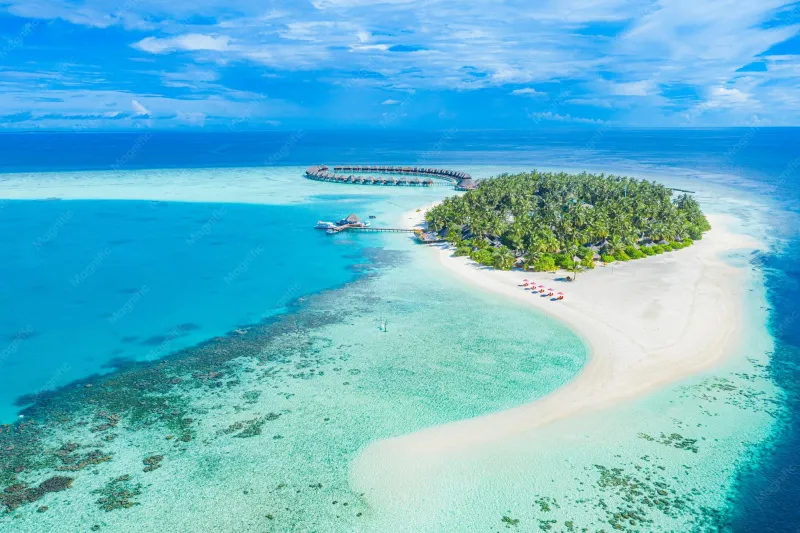
The counterintuitive insight driving this trend: the more remote the destination, the better it works for families. On a cruise ship or at a crowded resort, parents spend the week supervising. On a private island like Kanuhura, the environment itself does the supervising. The island is small, the lagoon is calm and shallow, and the perimeter is, quite literally, a beach.
Grandparents can read on a daybed twenty feet from where grandchildren are building sandcastles. Teenagers can paddleboard within sight of the family villa. Everyone relaxes because everyone can actually relax.
Villas Built for the Whole Crew
Accommodation is where multi-generational travel either succeeds or collapses. Kanuhura's larger villa categories — including multi-bedroom beach pool villas — are designed with connecting layouts, private pools, and expansive outdoor decks, allowing a family of eight or ten to share a residence without sharing a bathroom schedule.
The configuration matters more than any amenity. Grandparents get quiet corners and shaded verandas. Parents get privacy without distance. Kids get room to be loud.
The Kids' Club, Reimagined
The resort's kids' club is not a holding pen with crayons. Programming is built around the island itself: treasure hunts on the beach, marine-life discovery sessions, coconut-leaf weaving with local staff, and supervised snorkeling in the shallow lagoon. For younger children, it becomes the highlight of the trip. For parents, it becomes the reason they finally finished that novel.
Teenagers, Surprisingly On Board
The hardest demographic to please is also the most won-over. Teens who might scoff at a family resort find genuine stimulation here: jet skiing across open water, wakeboarding, catamaran sailing, sunset dolphin cruises, and night fishing. The absence of Wi-Fi-adjacent temptations — no mall, no food court — means the watersports become the entertainment, not a competing option.
Advisors note that teens frequently report these trips as their most memorable. The shared experience of a place this unusual tends to outlast any souvenir.
The Wellness Case for Three Generations
There is also a quieter argument. Multi-generational time has become scarce in American life — grandparents in one state, adult children in another, grandchildren scattered between. A week on a private island compresses years of casual contact into concentrated togetherness, without the logistics of anyone's house.
Wellness researchers have long noted that shared novel experiences bond families more effectively than shared routine. A lagoon full of reef sharks tends to qualify.
Planning the Trip
Families considering the Maldives should plan around school breaks and note that the journey — typically a connection through Dubai or Doha, then a seaplane transfer — is part of the adventure rather than a hurdle. The resort team handles logistics from the moment of landing in Malé.
The result is a trip where nobody needs a vacation afterward. That, more than anything, may explain the trend.